
As my multidisciplinary residency at Pine Meadow Ranch in Sisters Oregon heads into its final days, I want to share some updates about the work I’m doing on my chosen projects: Tracing The Whychus and the dark skies of Oregon.
Tracing The Whychus

This is a map I created in qGIS to show the four watersheds of Whychus Creek. As you can see, Sisters is on the cusp of the Upper and Middle Whychus Creek watersheds. The creek runs directly through Pine Meadow Ranch. I can see it out the window right now as I type these words.

I also added the watersheds (including all others in the Upper Deschutes basin) as “areas” in a folder on GaiaGPS, allowing me to keep track of which of the four watersheds I have been located in as I continue to explore and capture a sense of place.
This added toolset will greatly aid my continued documentation and analysis as I produce any number of artifacts as outcomes of this ongoing project.
Photography
Here I will include a sampling of photographs I’ve captured throughout the four watersheds of Whychus Creek, hoping to form a continuously expansive interspecific sense of place with all inhabitants of the biosphere.
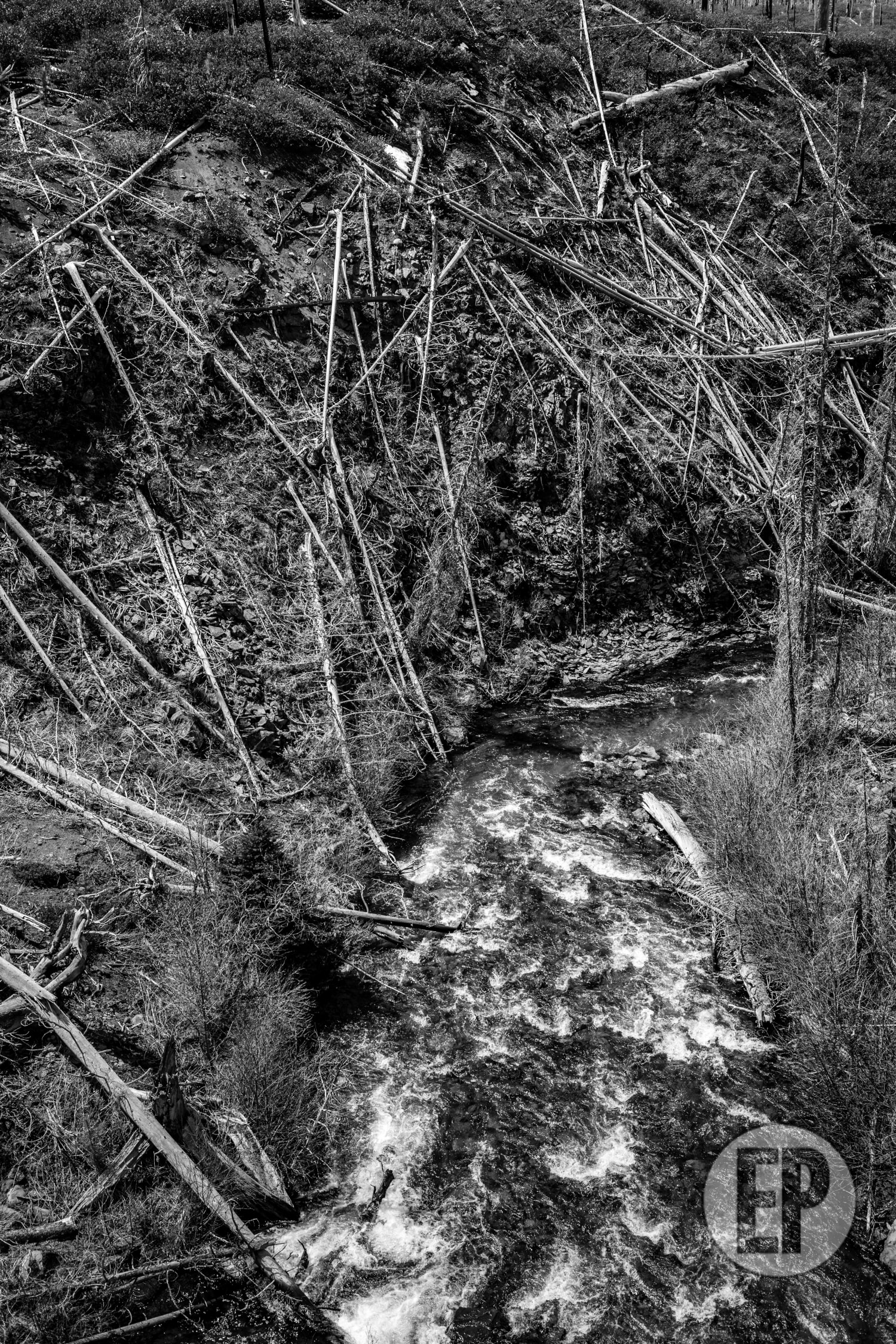
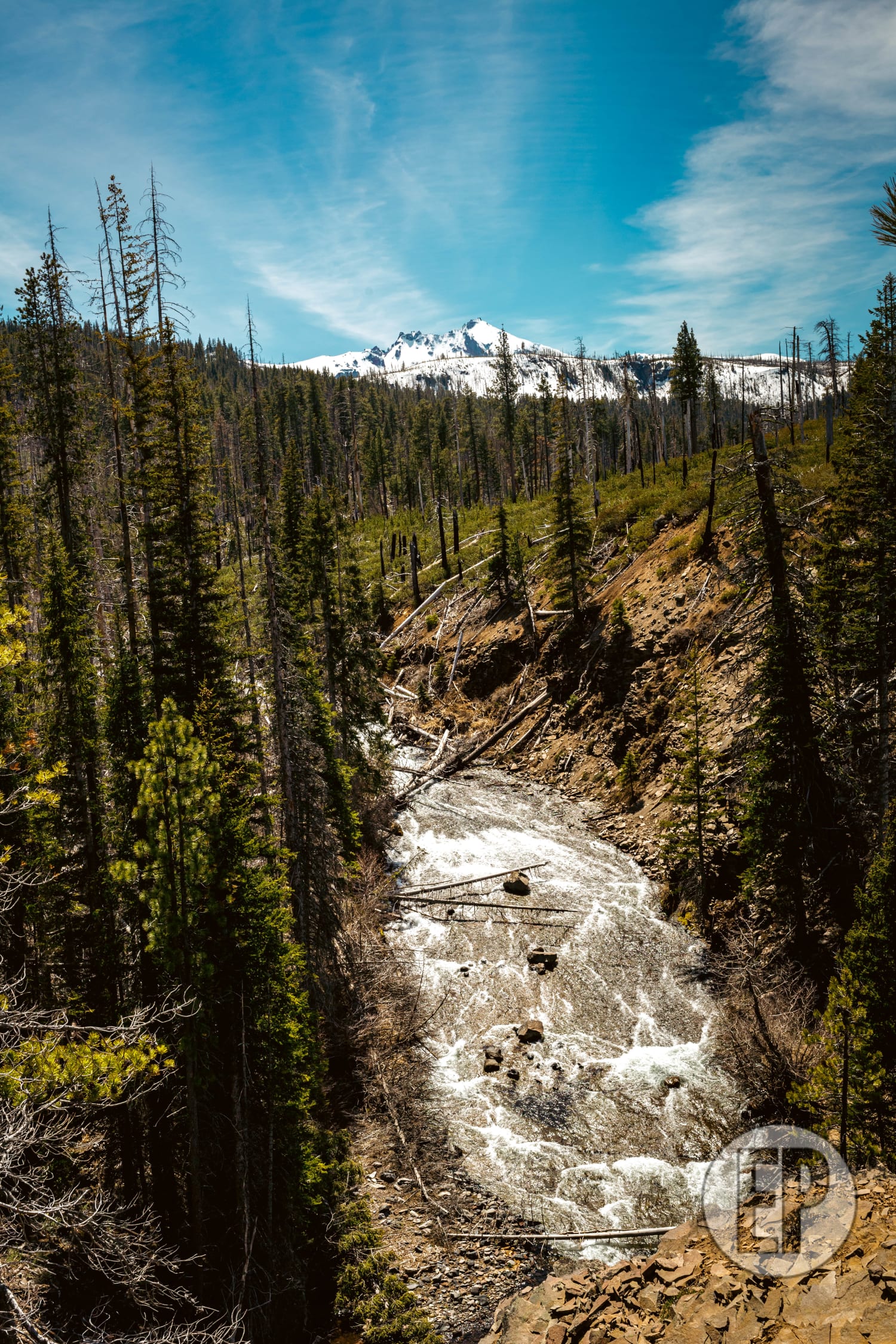
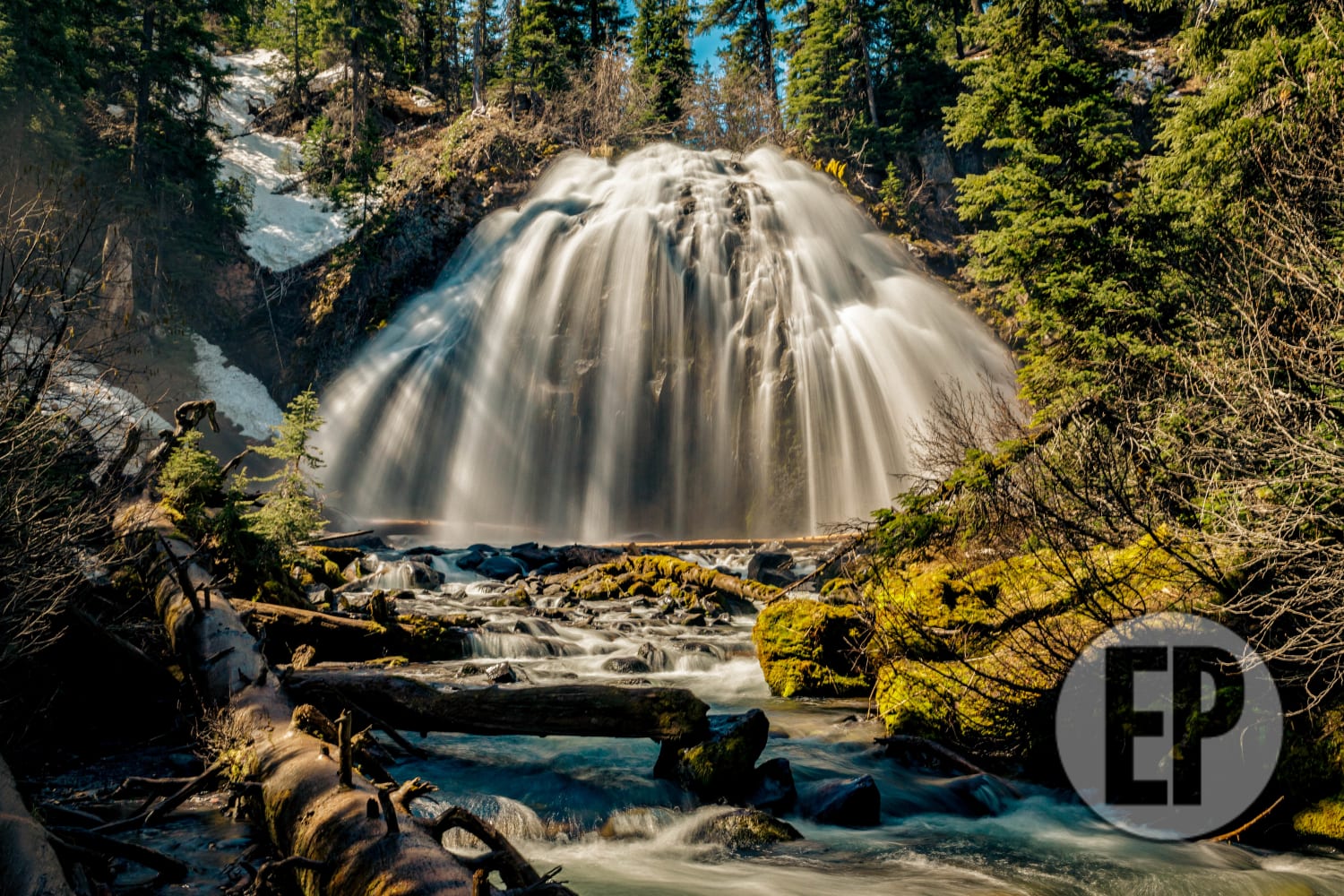
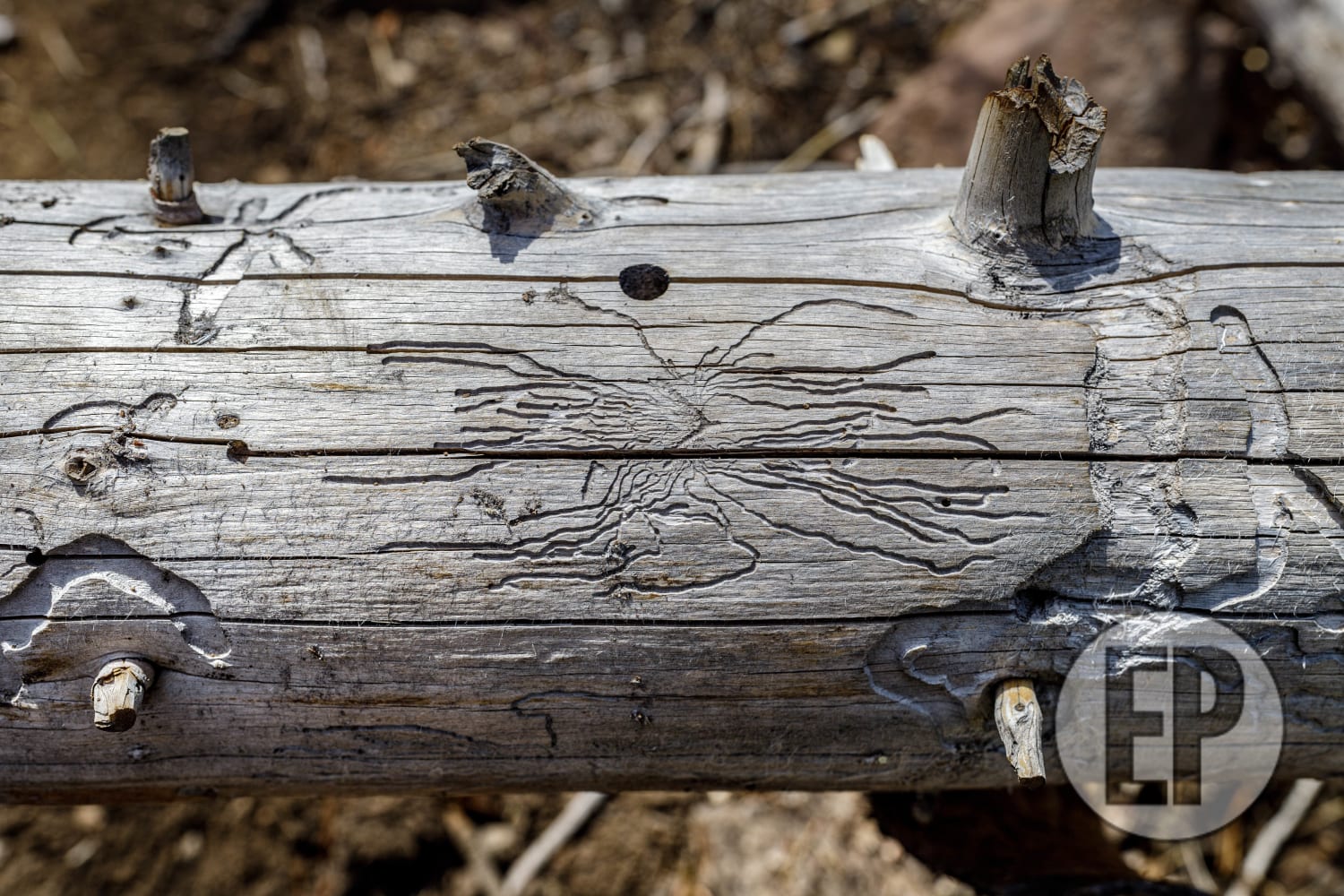
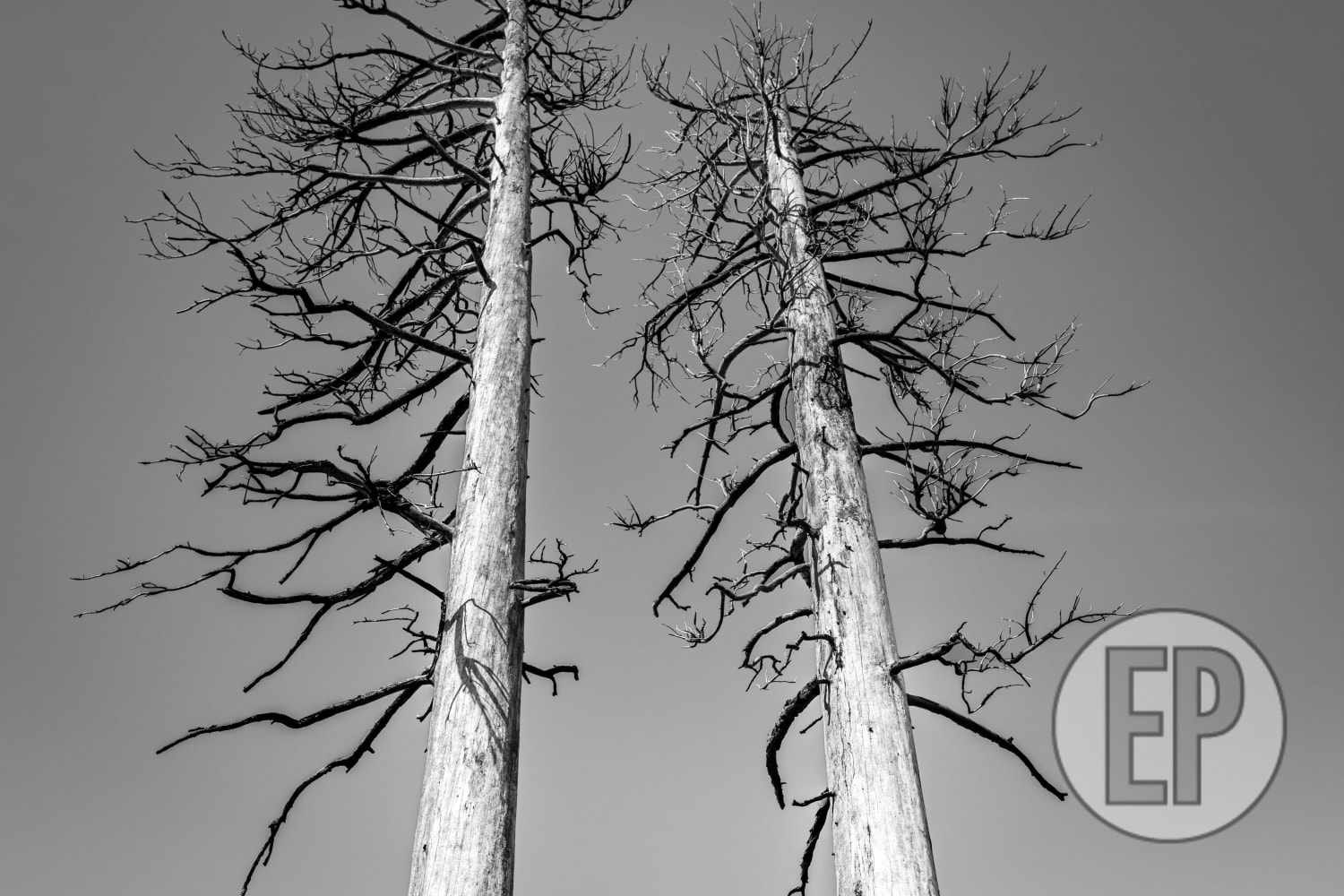
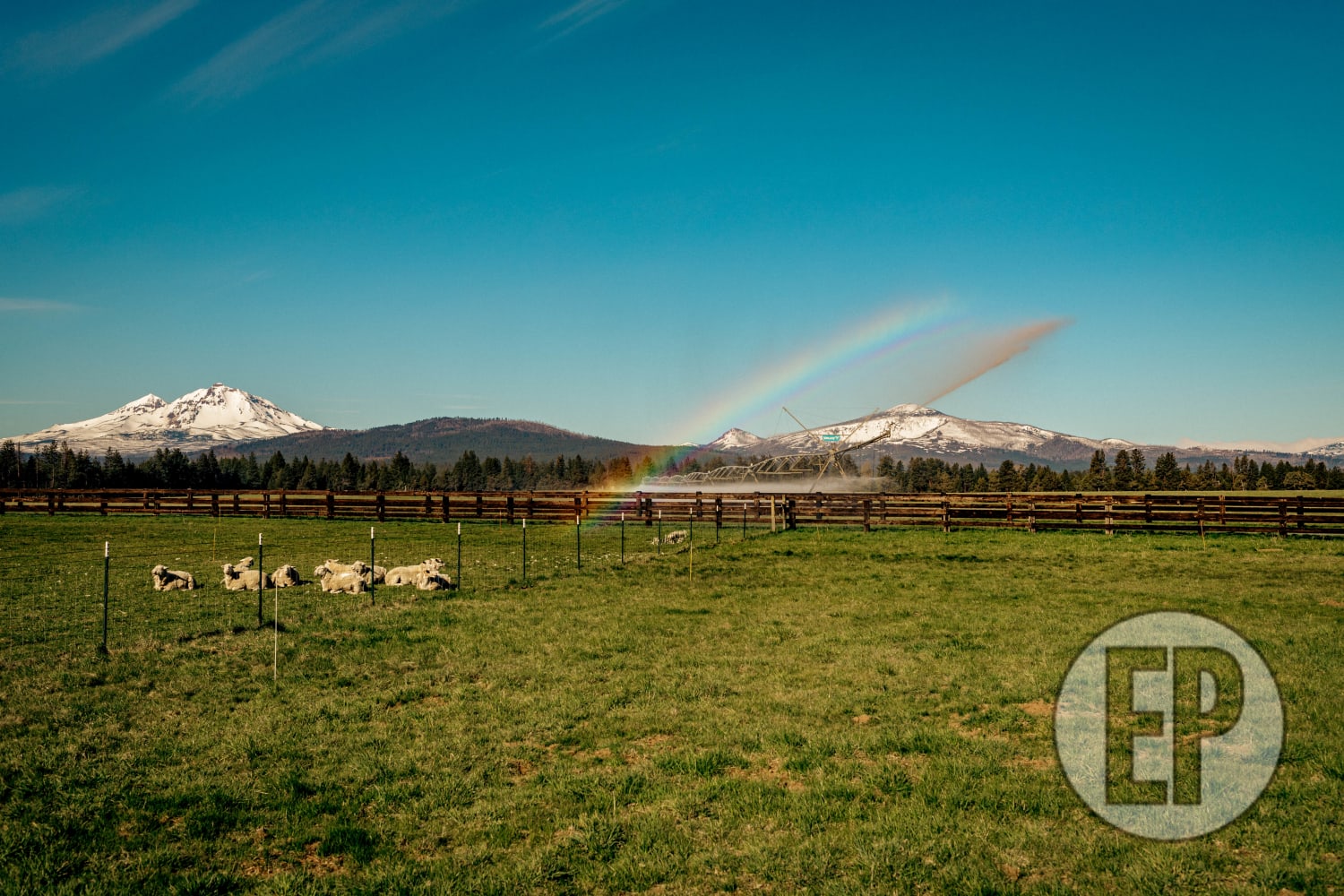
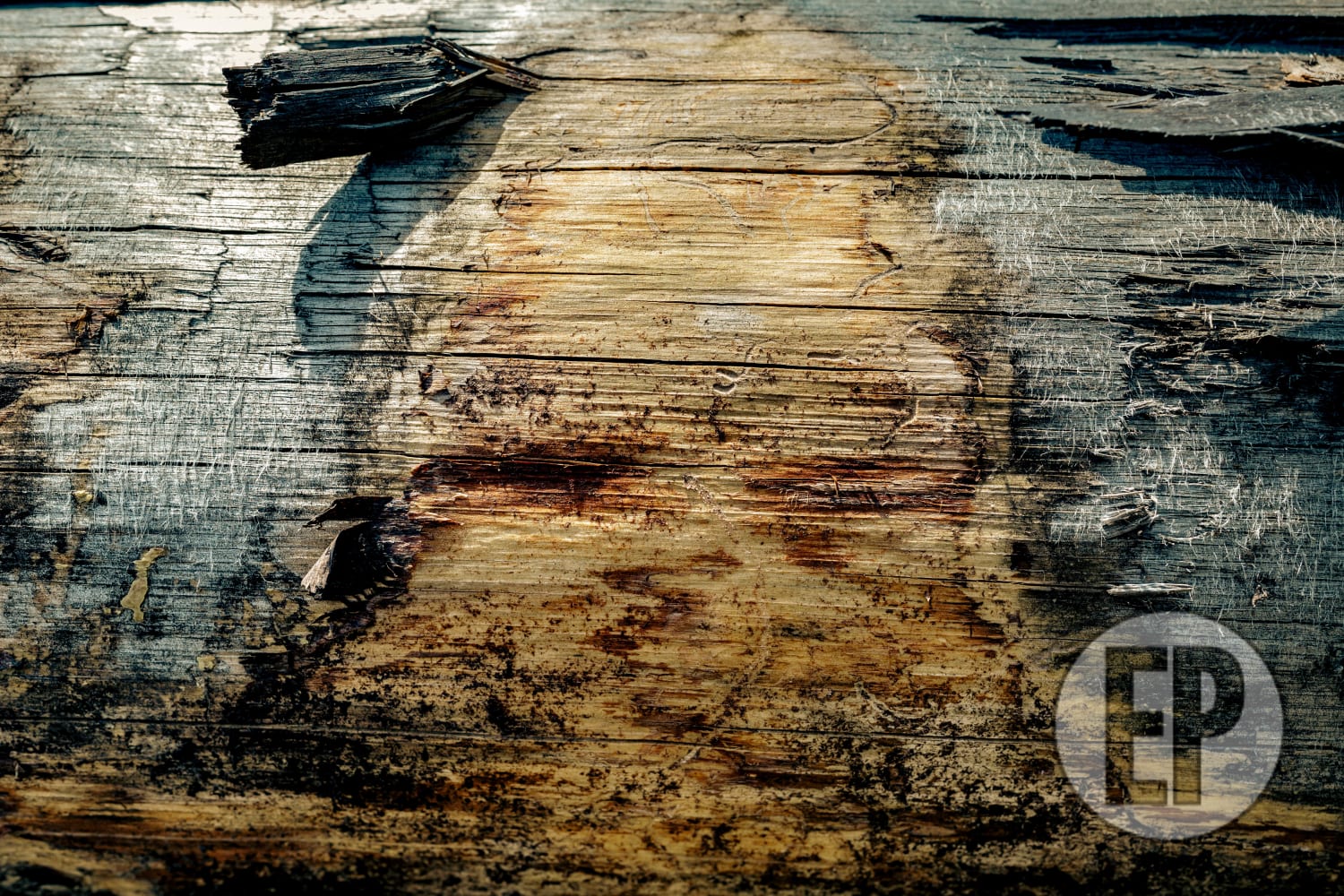
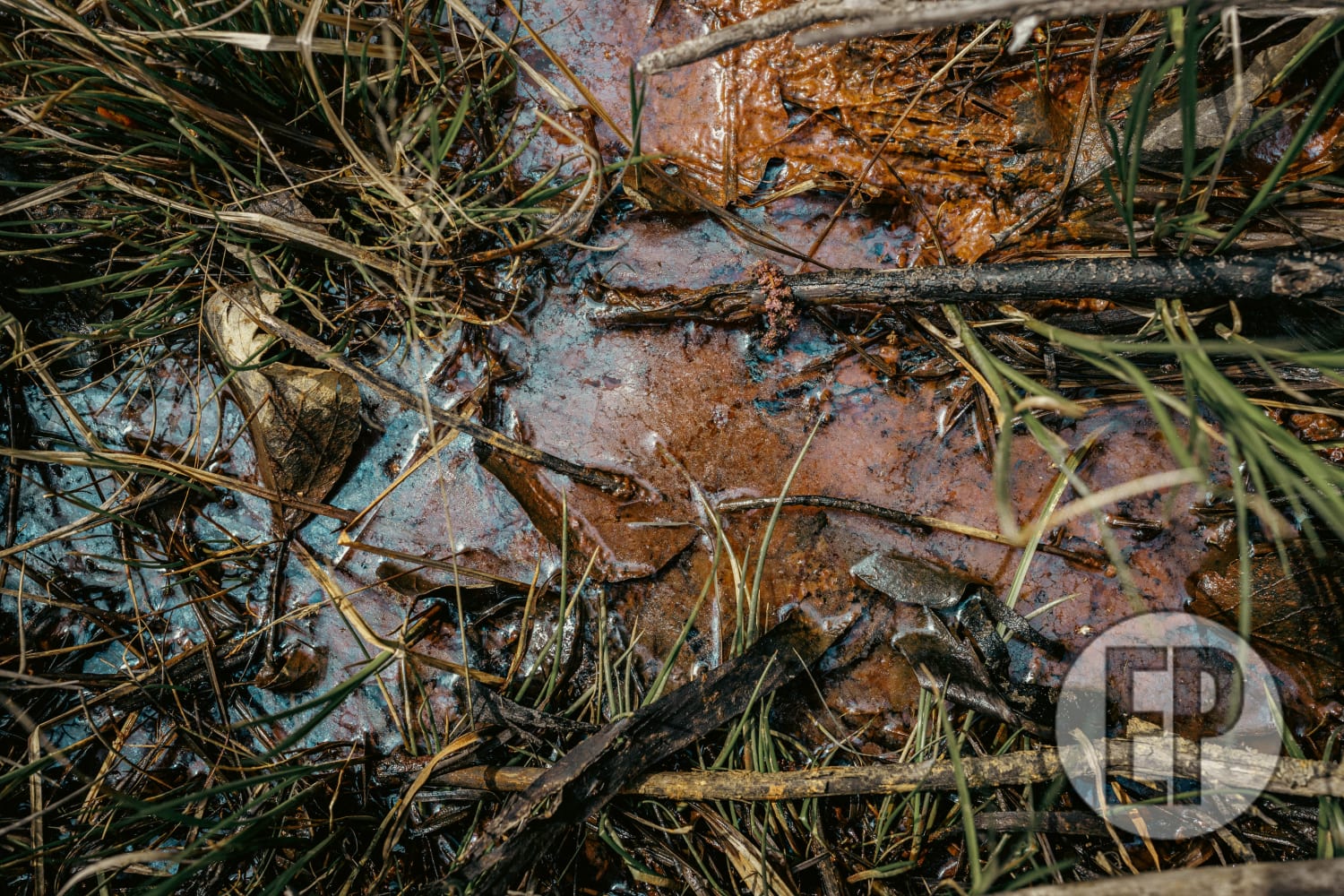
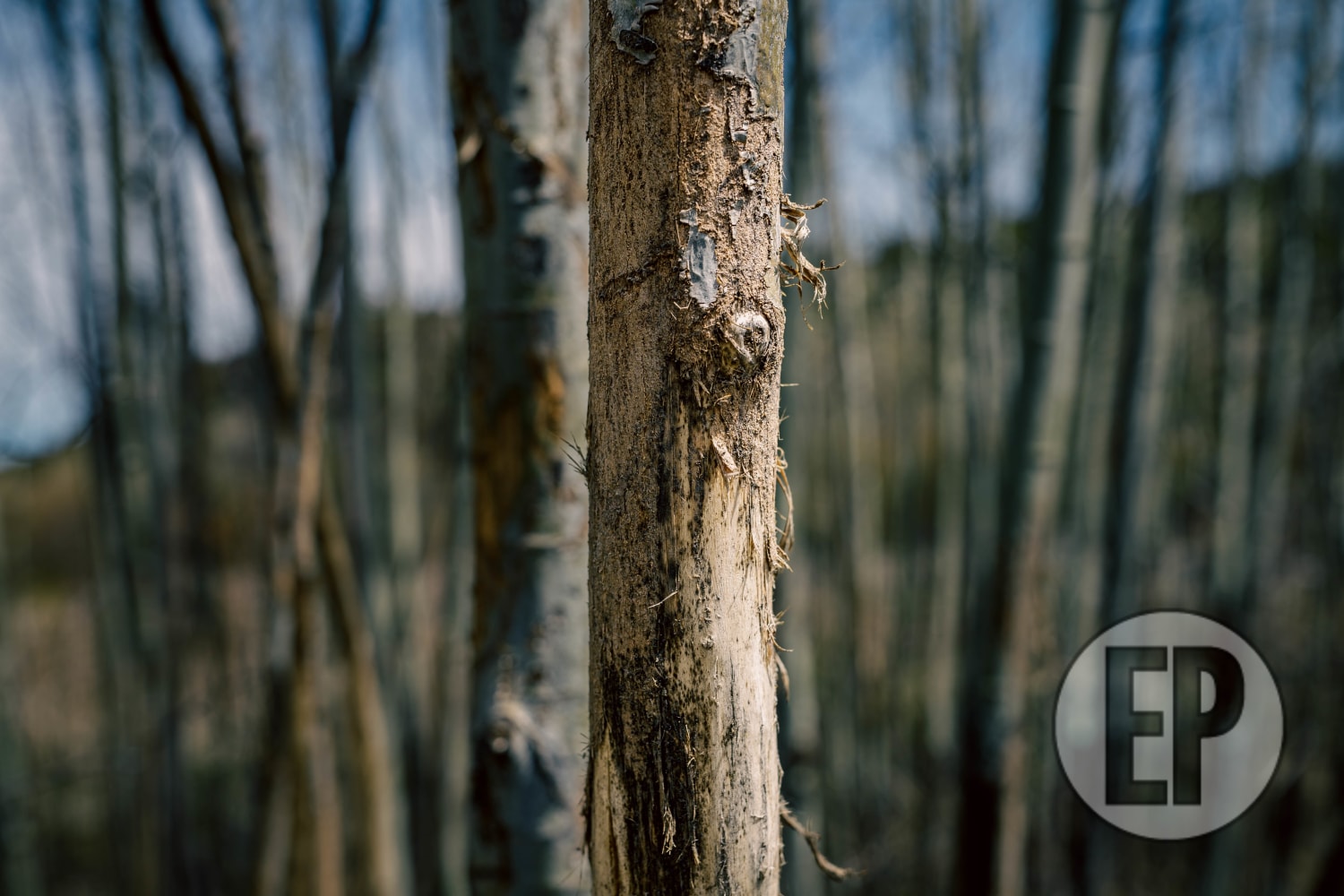
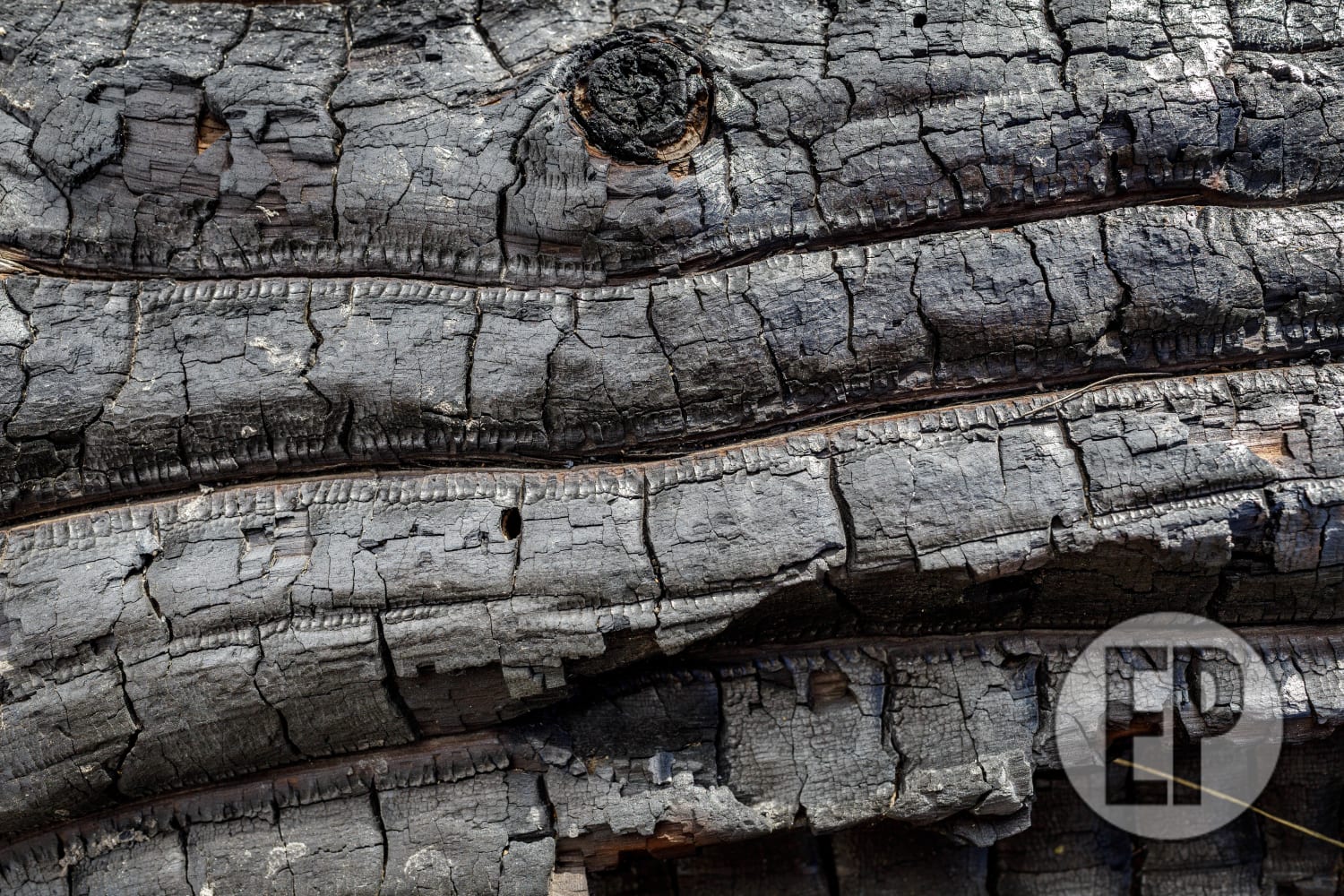
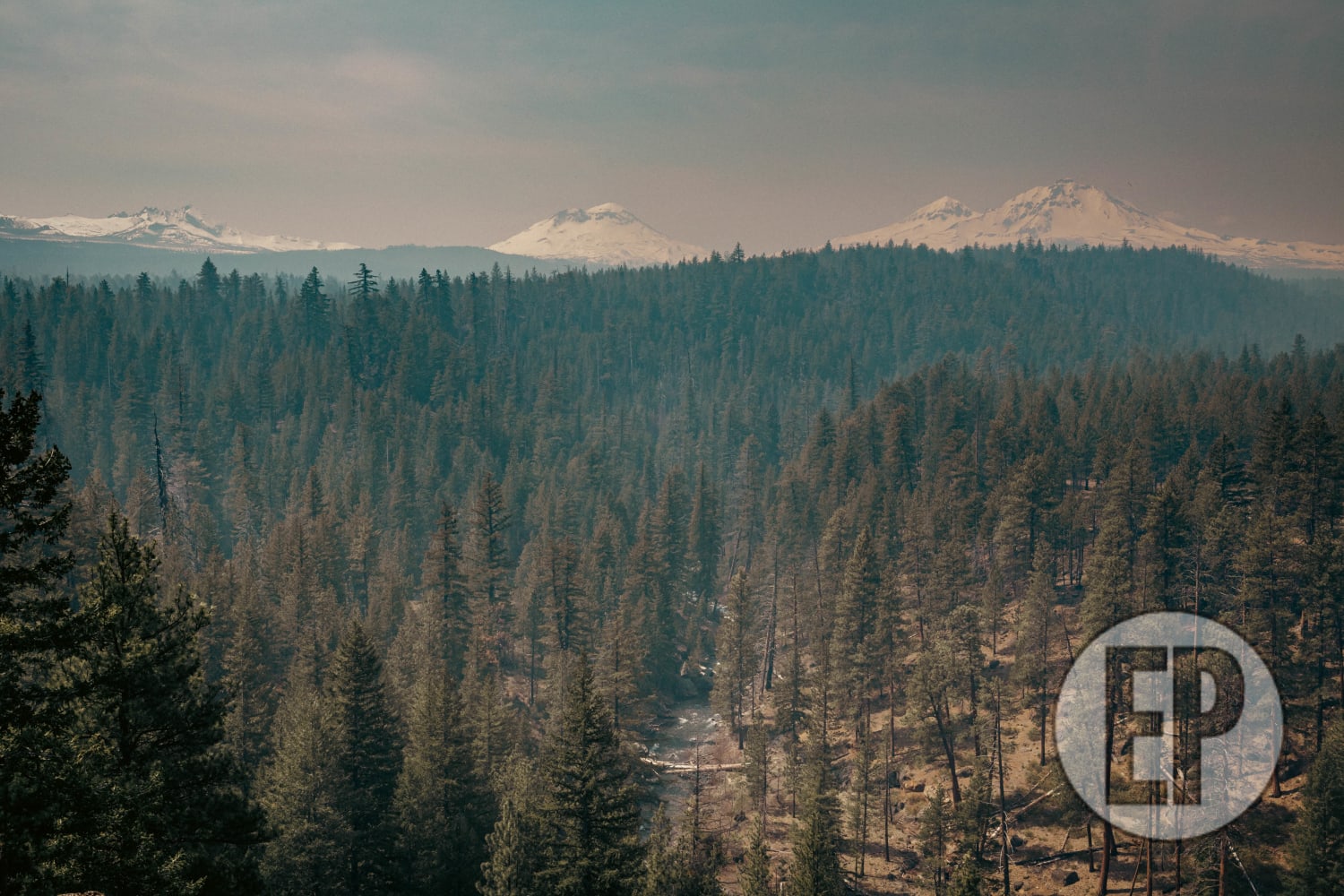
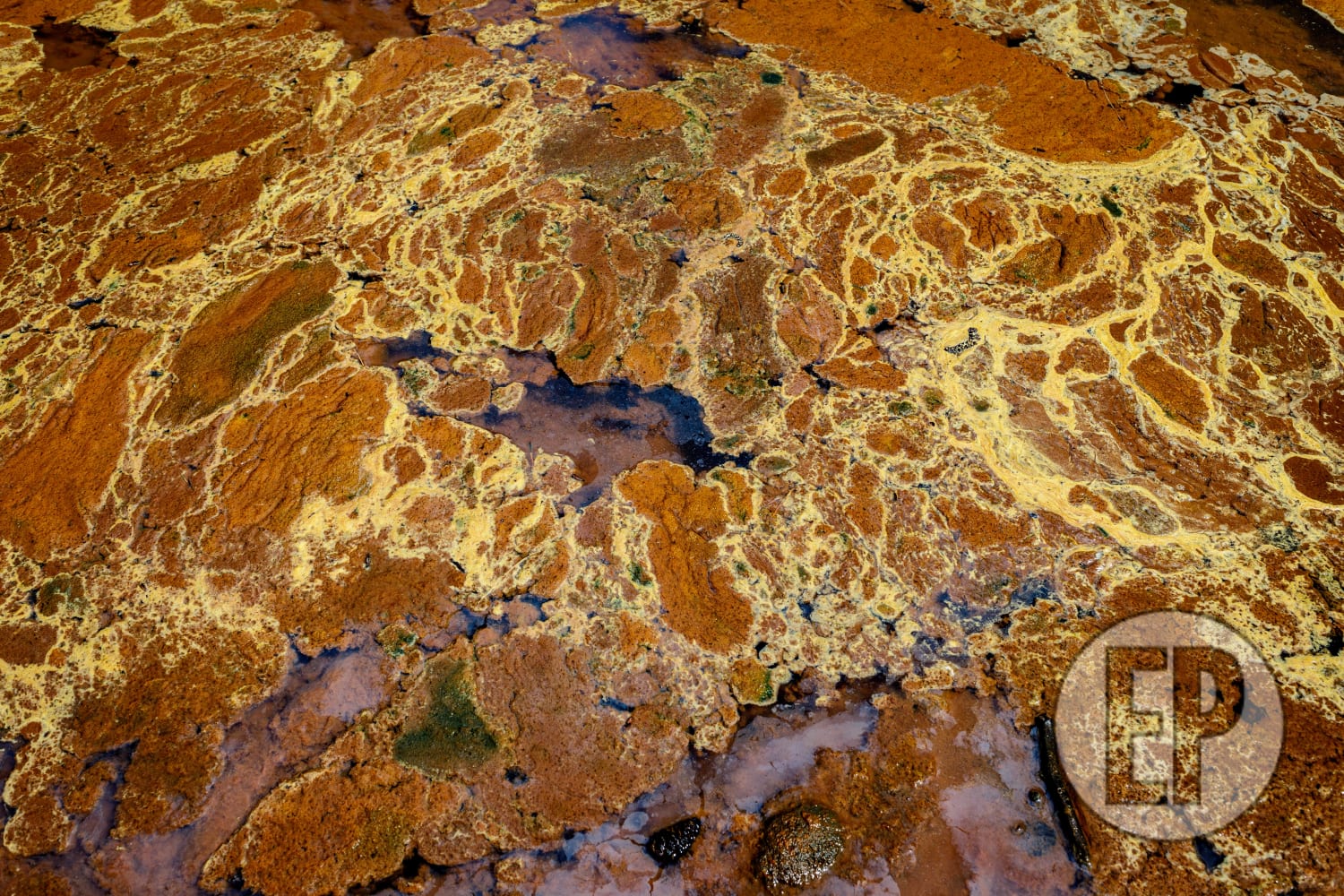
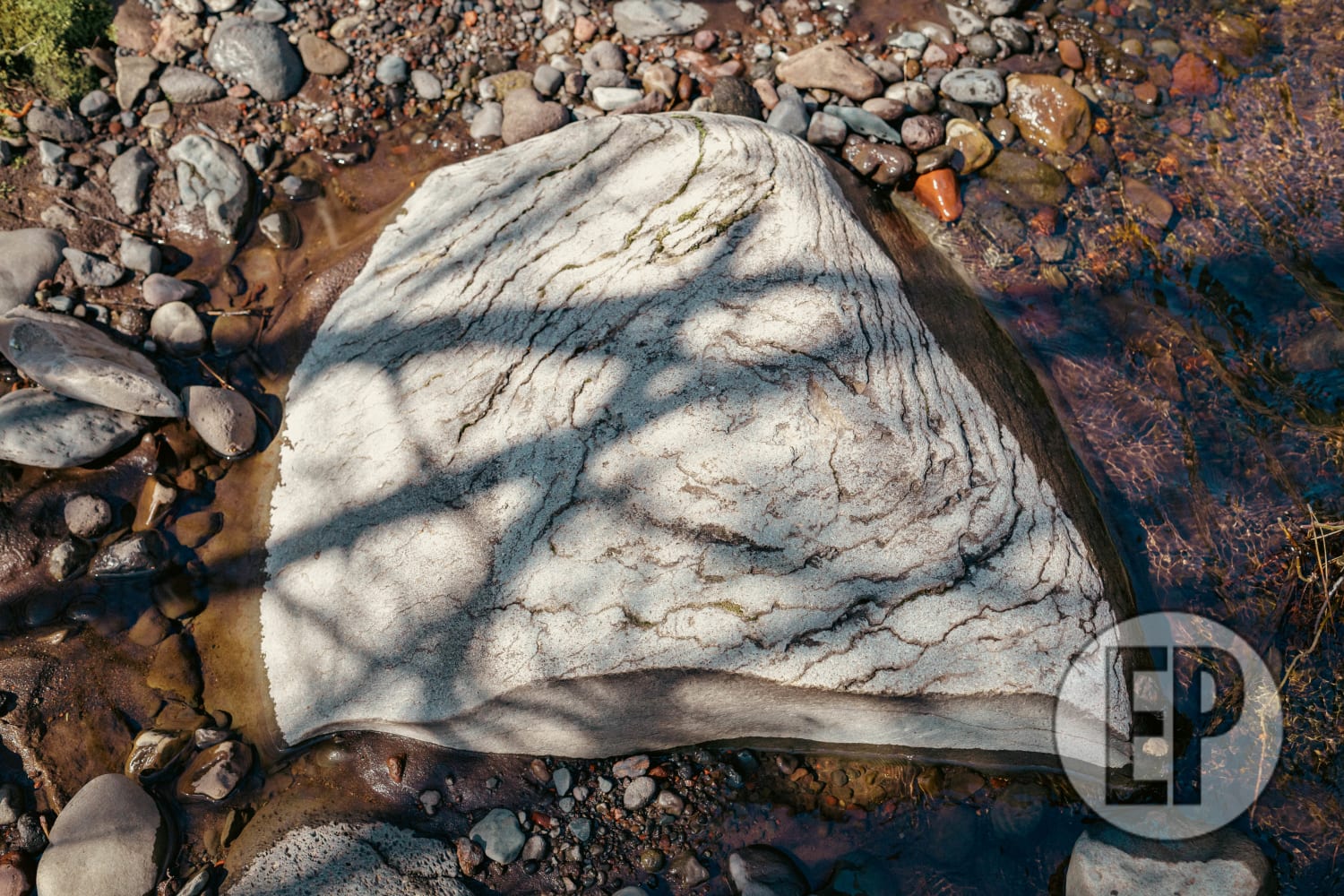
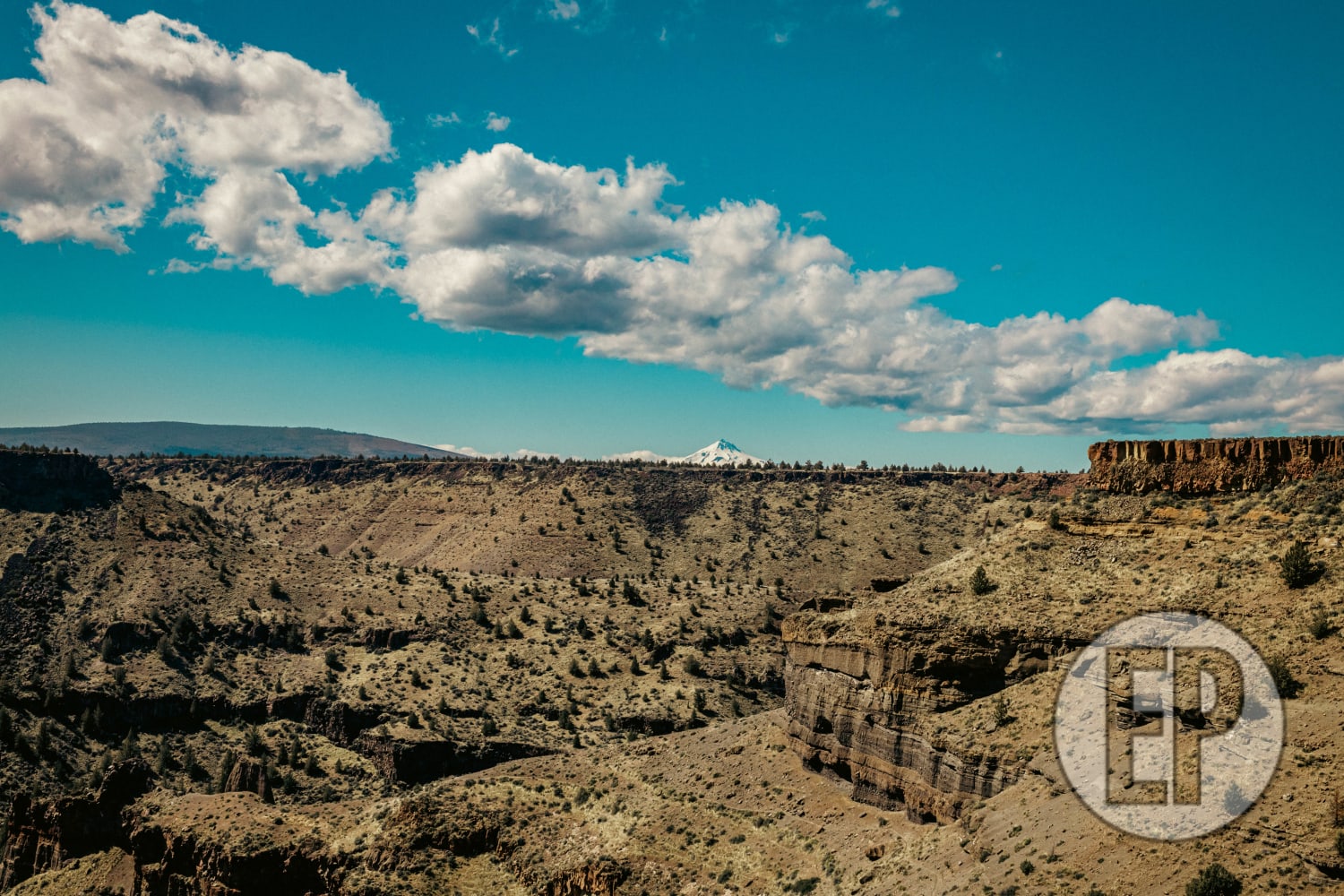
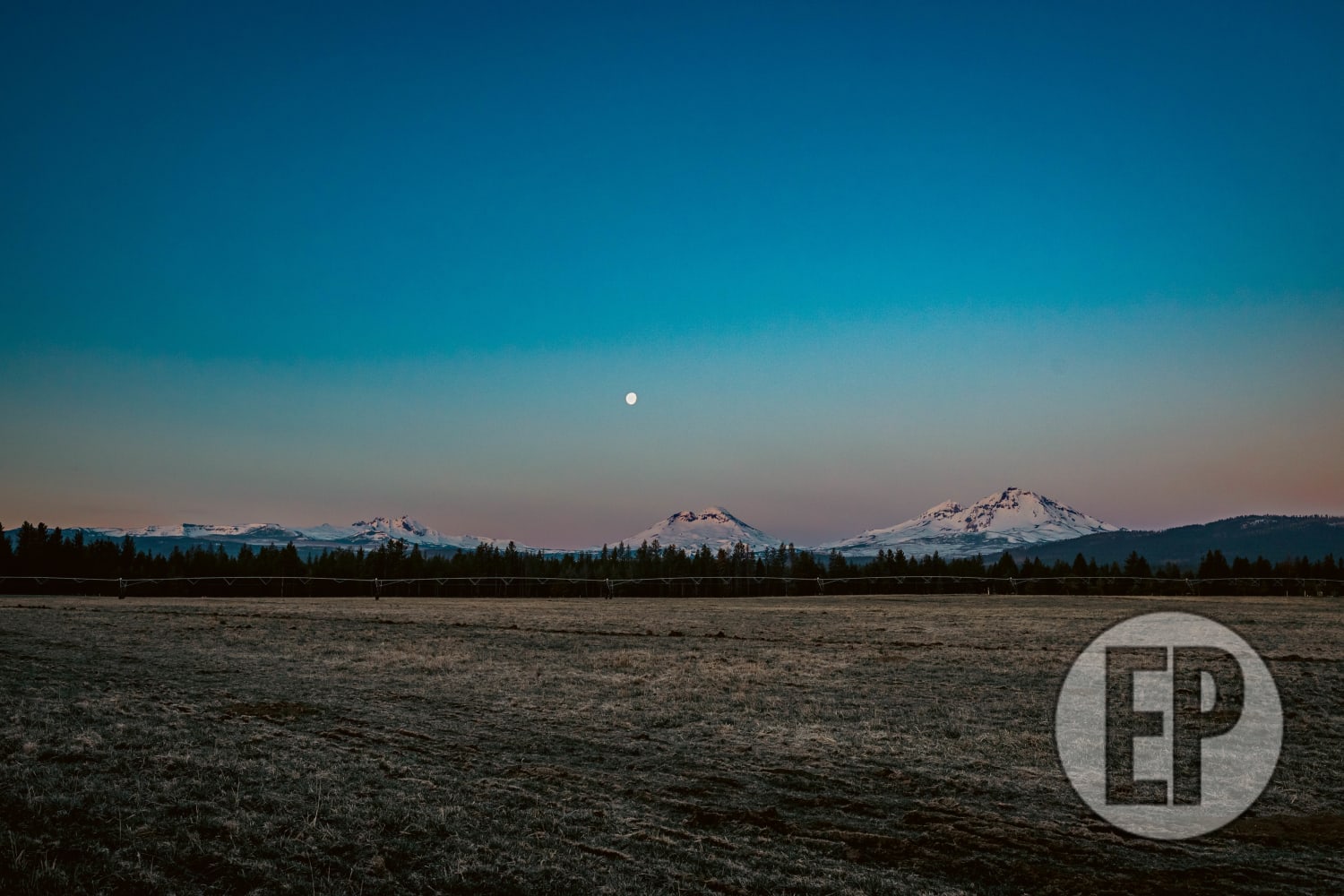
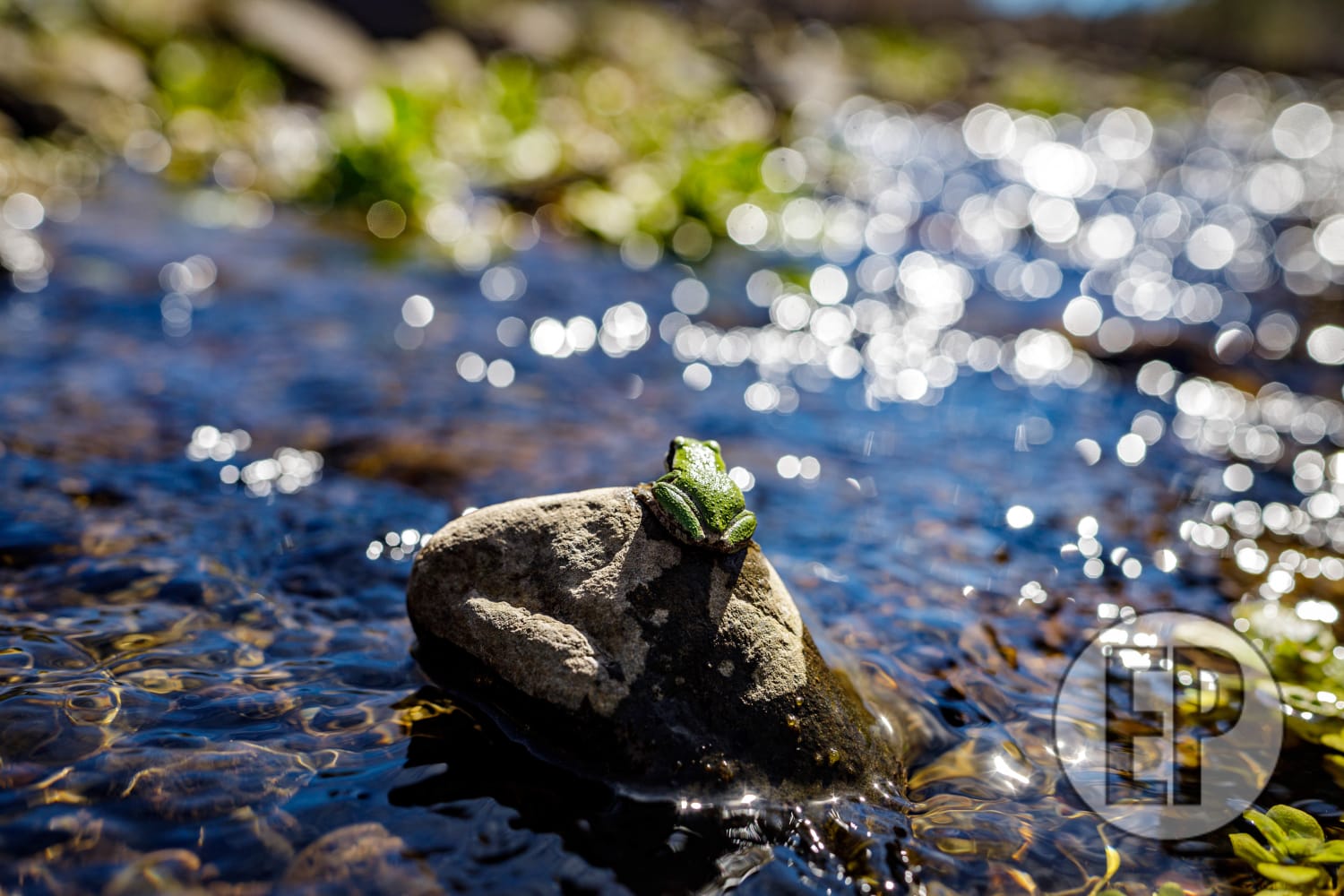
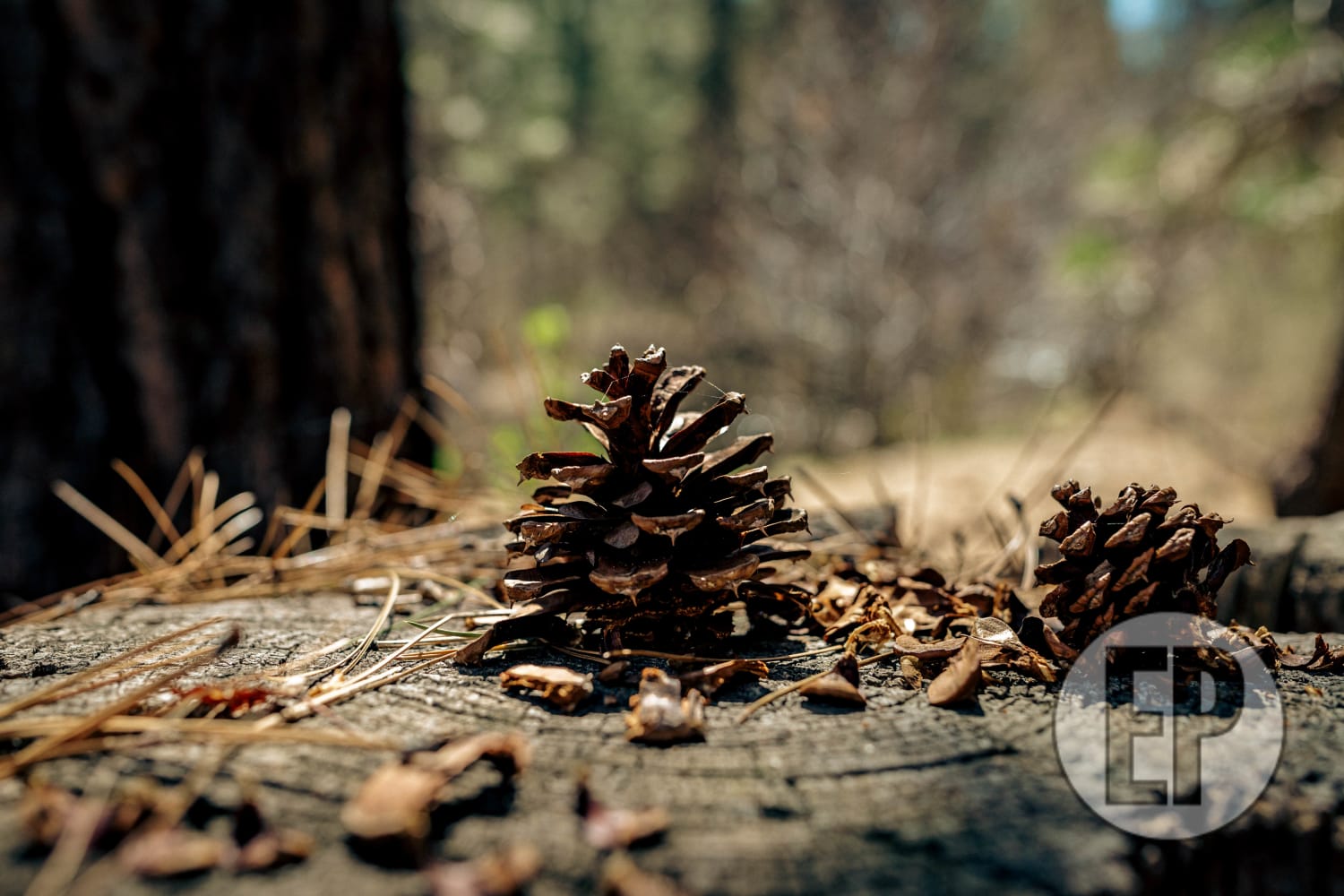
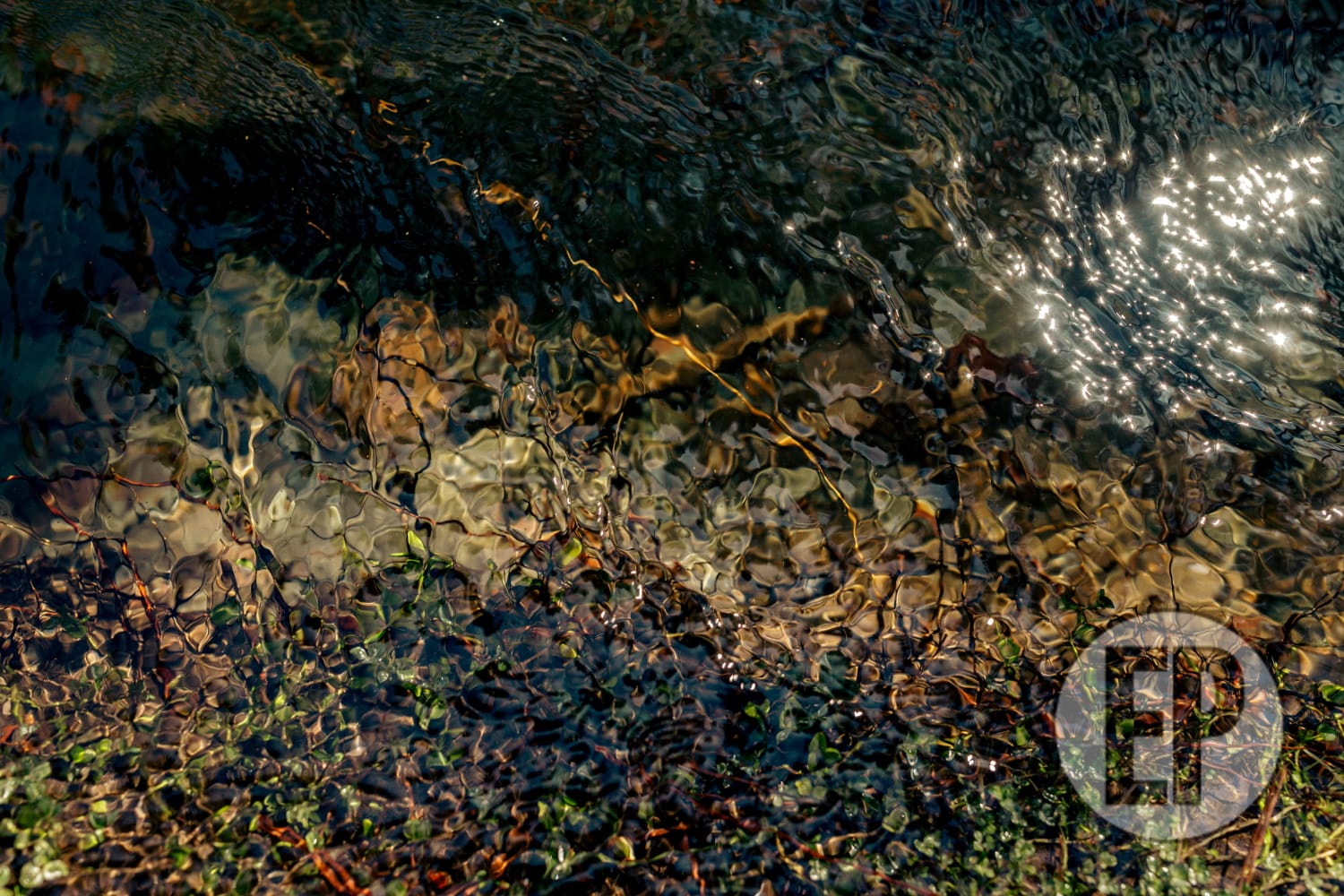
As I explore the watersheds of the Whychus, I practice what I call “walkabout” photography, where I attempt to perceive the world from a variety of perspectives, waiting for moments of time in space to catch my eye(s). I think capture that perception to the best of my ability, hoping to express these perspectives as fully as possible.
Sometimes, you have to look straight down. Sometimes, you have to crawl on your belly. Sometimes, you have to look into the sun.
Timelapse
I’ve been spending a lot of time experimenting with various gear “rigs” combining cameras and external batteries or power sources in service of the Create360 project and ways to use timelapse to contribute to a sense of place for any bioregion or watershed.
I’ve been using old smartphones (primarily Google Pixel phones) to experiment with the use of Stop Motion Studio as tool for capturing timelapse in various settings.
Here is a collection of landscape timelapse captures in service of Create360:
And here is a collection of water-based timelapse captures in service of Create360:
I’ve also been experimenting heavily with the use of various GoPro “hero” cameras as photography-based timelapse capture machines, especially concerning their weatherproof and waterproof capabilities, and how to extend these capabilities into remote wilderness settings with external power sources and solar power charging.
Here is a collection of “land” timelapse sequences captured with GoPros:
Here is a collection of “water” timelapse sequences captured with GoPros:
And I’ve been keen to continue to test the underwater capabilities of GoPros for in situ creek flow capture:
I must admit that I’m particularly pleased with the results I get from continued experimentation with underwater timelapse capture.
Dark Skies
In service of the dark skies initiative, I have been experimenting with ways to capture continuous day-to-night timelapse sequences, at ten second intervals, 24 hours a day. I have experimented with switching GoPro cameras from Timelapse to “Night Lapse” modes at sunset and sunrise each day, allowing for a nearly seamless continuous flow of timelapse capture. These are all done straight to video, as opposed to hundreds or thousands of individual photographs which must be processed and then streamed together.
This straight to video approach has its pros and cons. As a documentation technique, it is a much quicker turnaround to see results. As an artistic technique, there are serious limitations to the options one has in processing the results for aesthetic purposes.
I’ve been experimenting with different configurations at a few locations around Pine Meadow Ranch, considering proximity of access for switching camera modes at sunrise and sunset. And sunrise comes awful early here in central Oregon. 🙂
Dark Skies timelapse demo, round one (if you’re impatient, the first transition is around 3:00 in):
Dark Skies timelapse demo, round two:
Dark Skies timelapse demo, round three:
Dark Skies timelapse demo, round four:
In each of these cases, I’ve used older GoPros with removable ND filter attachments. This allows me to use ND filters during daylight and remove them for the overnight, as they would prove to be too dark for the GoPro footage.
The cameras are clamped to fences, and connected to external battery packs via USB cables and special “passthrough” battery doors sealed with silicon to keep them waterproof. The battery packs are covered in a plastic bag strapped down, just to be on the safe side.
Star Trails
Just before I left North Carolina for Oregon, I discovered a new feature of the “newest” model of GoPro in my toolset: Star Trails capture. This is apparently something that was added to the capabilities of the GoPro 11. I’ve been taking advantage of this feature to capture star trails from a variety of angles, each night on the ranch.
Here’s a brief video showing initial attempts, which could be considered failures.
I also had two different “nights” of star trails videos that were solid white (not included in the video). Any idea why? One hint: time zones.
Here’s a second video with more accurate star trails capture. In each case, I set a timer to schedule capture starting at 11pm, when it is much darker than sunset.
I’m encouraged by these initial results, and I’ve continued refining the protocols for best practices (and creative experimentation) with star trails captures. Ideally, I can continue to capture star trails in a variety of settings every night for the foreseeable future. I’m already working on some ideas for projects to initiate once I’m back in North Carolina.
A Showcase
If, for any reason, you would prefer to see all the videos I’ve shared in one place, I’ve created a showcase on Vimeo to provide just such a collection.